Have you ever picked up a book or started a movie and felt instantly hooked—your heart racing, your curiosity piqued, unable to put it down until the very end?
Well, that’s usually the power of a well-crafted story. And usually, this story comes from the structure.
But what actually is structure?
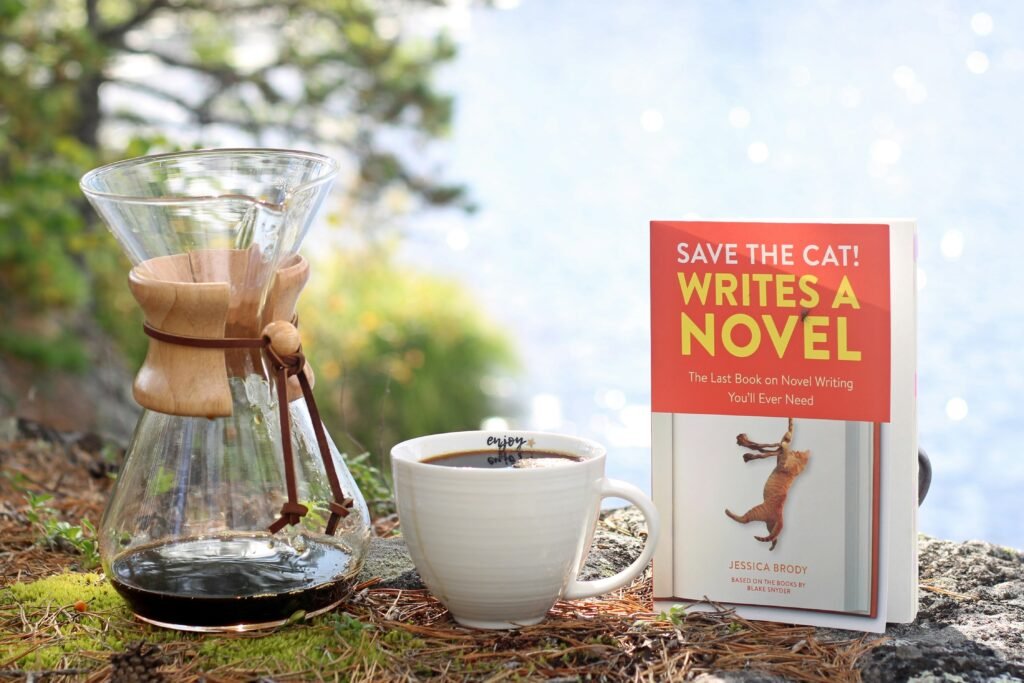
Well, here at So You Wrote A Book, we favour the most popular and effective of these frameworks: the 3-act story structure, as popularised by Blake Snyder in Save the Cat! Writes a Novel. Writers across all genres and mediums use this structure to build stories that resonate, captivate, and stay with readers long after the last page!
So what is the 3-act story structure, and how do you use it?
At its core, the 3-act story structure breaks a story into three key parts: the setup, the confrontation, and the resolution, or as you might remember from school, the beginning (catalyst), the middle (turning point/conflict) and the end (resolution).
Another way to look at it is like a road trip.
The setup is your departure point—the excitement, the anticipation, the maps spread across the dashboard as you pack your bags and imagine the adventure ahead.
The confrontation is the actual journey: the twists and turns, unexpected detours, moments of danger, exhilaration, heartbreak, and maybe even romance.
And the resolution? That’s reaching your destination, looking back at everything you’ve experienced, and realising how much you’ve grown along the way.
But unlike a regular road trip, a story’s journey comes with higher stakes—near-death escapes, life-changing revelations, romance twists and turns and emotions that sweep you off your feet. Each act is designed to carry your reader or viewer through a rollercoaster of tension, transformation, and payoff.
In this post, we’ll break down each part of the 3-act story structure, unpacking its essential elements and showing you exactly how to harness it to craft stories that grip you from the first word to the last. To make it tangible, we’ll explore Suzanne Collins’ The Hunger Games as a real-world example, illustrating how this structure turns a story into an unforgettable journey. By the end, you’ll see how to use the 3-act story structure to elevate your own writing, giving your stories the momentum, tension, and emotional punch they deserve.
Need help with something else writing-related? Check out these blog posts:
How to Write the Perfect Blurb for Your Novel
How to Plan Your Novel Draft (Without Losing Your Sanity)
Why you MUST Track Your Novel’s Timeline (And How To Do It)
How to Write a Novel Synopsis That Actually Works (Even If You Haven’t Finished Your Draft)
Act 1: The Setup
Act 1 is where your story lures readers in and sets the stage for everything to come. It’s the part of the journey where you introduce your world, your characters, and the stakes. This is where readers get a sense of who your protagonist is, what they want, and what obstacles might stand in their way.
In Blake Snyder’s Save the Cat! Writes a Novel, this is the moment to show the “ordinary world” before everything gets turned upside down. You want your audience to care about your characters, understand their motivations, and feel invested in their journey. It’s also where you plant the seeds of tension and curiosity—little hints of the challenges ahead that will pull readers forward.
But what goes into Act 1?
Opening Image (first 1% of novel)
Purpose: This is the first impression of the protagonist’s world. It sets the tone and mood for the story.
- This is a quick before snapshot of your protagonist in their world
- A visual representation of your protagonist’s flaws and how they’re messing up your protagonist’s life
In The Hunger Games, the story opens with Katniss Everdeen waking up in her home in District 12. The image of the harsh, impoverished conditions of District 12 immediately sets the tone for the reader, highlighting the struggle and bleakness of Katniss’s world.
Theme Stated (First 5% of novel)
Purpose: A moment early in the story where the theme or central idea of the story is hinted at, often through dialogue or an offhand remark.
The theme stated beat is your story’s first whisper of the life lesson your protagonist will eventually learn. It hints at the transformative journey ahead and the flaw—or flaws—that your protagonist will need to confront and overcome.
In most cases, this happens through a passing line of dialogue, a question posed, or a brief observation—something that slips in almost unnoticed but plants a seed in the reader’s mind. It’s subtle, but powerful: it foreshadows the arc your protagonist will travel and the personal growth they’ll need to achieve by the story’s end.
In The Hunger Games, this occurs early when we learn about the brutal reality of the Hunger Games, the oppressive nature of the Capitol, and the stakes of survival. Katniss doesn’t fully understand this yet, but the theme is already there, nudging the reader.
Even though the theme stated is brief and can occur almost in passing, it’s crucial: it gives readers a lens through which to interpret the story and creates anticipation for your protagonist’s arc. By the end of this beat, the audience has a sense of the moral or lesson at the heart of the story, even if the protagonist hasn’t realised it yet.
Need help shaping your plot or mapping out your story? Our Plan Feedback service is designed to help guide you through the early stages of your drafting journey—offering thoughtful insight, structure suggestions, and support so you can move forward with confidence. To get started, simply fill out the contact form below.
Setup (first 1-10% of novel)
Purpose: Introduces the protagonist, supporting characters, and the world they live in. It also establishes the stakes and the protagonist’s normal life.
This is also where you introduce the key players: allies, mentors, antagonists, and those grey-area characters who complicate things. In District 12, we meet Gale, Katniss’ friend and hunting partner; Prim, her innocent and motivating reason to survive; and her mother, the person she doesn’t want to be. These characters influence Katniss’ choices and set up the stakes she’ll face later.
Flaws are crucial here—don’t hold back. Katniss’s independence and distrust make it hard for her to rely on others, which affects her relationships and could jeopardise her survival in the Games. These flaws are what make her eventual growth—learning trust, strategy, and empathy—so impactful.
Finally, show your protagonist’s reluctance to change and hint at what’s at stake if they don’t. Katniss is reluctant to step into the role of “tribute”, afraid for her life and the lives of those she loves. By the end of the setup, readers understand her world, care about her, and feel the tension of the storm about to hit—the reaping and the life-or-death challenge of the Games.

Catalyst (first 10% of novel, or earlier)
Purpose: An event that disrupts the protagonist’s normal life and sets the story your readers came for in motion. It’s the trigger that launches the main plot.
This is where all the hard work of setting up your story pays off: readers know who your protagonist is, what they want, and the stakes they face—and now it’s time to turn that world upside down. The catalyst introduces action, twist, and drama, giving you story momentum and giving your protagonist a clear call to action.
In The Hunger Games, the catalyst hits when Katniss volunteers as tribute after Prim’s name is drawn at the Reaping. Her ordinary life in District 12 is over in an instant—she is pulled into a deadly, high-stakes world she could never have imagined. This moment disrupts everything she knows, instantly raising the stakes and launching the story’s main plot.
The key to a great catalyst is shock and urgency: it should make readers sit up, feel the tension, and understand that nothing will ever be the same for your protagonist. By the end of this beat, your protagonist is propelled out of their comfort zone, and the story—and the arc—are officially underway.
Debate
Purpose: The protagonist debates whether to take up the challenge presented by the catalyst. It’s a moment of doubt or hesitation before fully committing to the journey.
The debate beat is where your protagonist hesitates, questions, or struggles with the challenge introduced by the catalyst. It’s the moment of doubt before they fully commit to the journey, giving readers insight into their fears, values, and internal conflicts. This beat humanises your protagonist, showing that the leap into adventure isn’t easy—it comes with real consequences and personal risk.
In The Hunger Games, Katniss’ debate is a little bit different––but not uncommon. Rather than making a decision, she confronts the harsh reality of her choice: the brutal training, the life-or-death danger of the arena, and the slim odds of survival. She, of course, isn’t going to debate not going as Tribute because it’s not allowed to change your mind, and also because she is driven by her need to keep her sister safe. Therefore, her debate is more of an internal struggle of emotions over what has just occurred. By allowing your protagonist to wrestle with the decision, you create tension, empathy, and anticipation, making the story’s next act even more compelling.
Act 2
Act 1 is the calm before the storm, and Act 2 is where the storm hits. This is the heart of your story—the section where your protagonist is tested, challenged, and pushed to their limits. It is full of tension, obstacles, and escalating stakes that force your protagonist to act, make choices, and grow.
Here, the world you carefully set up in Act 1 starts to feel dangerous, unpredictable, and exciting. Your protagonist’s flaws are magnified, relationships are tested, and every decision carries real consequences. Your protagonist steps out of their comfort zone and confronts the challenges introduced by the catalyst, fully committing to the journey—even when it’s terrifying.
So what’s in Act 2?
Break into Act 2 (before you reach 20% of the novel)
Purpose: The break into two beat is the decisive moment where your protagonist takes an action or makes a choice that propels them from the familiar world of Act 1 into the upside-down, high-stakes world of Act 2. It’s the point where the story officially shifts into motion, and the adventure begins in earnest.
This beat marks a clear transition: the safety and predictability of the setup are left behind, and your protagonist steps into a world where the rules are different, the stakes are higher, and the usual solutions won’t work. Importantly, this is one scene, a single moment of choice, and it must come from your protagonist—they are actively deciding to engage with the challenge, not being pushed passively.
In The Hunger Games, this moment is when Katniss arrives at the Capitol. Everything is different, and with the games just days away, it signals to the audience that the adventure has officially begun. The rules have changed, the stakes are real, and the story journey has moved from preparation and hesitation into action.
B Story (around 22% of the novel)
Purpose: The B story beat introduces a subplot that runs alongside the main plot, often involving a secondary character who reflects, contrasts, or amplifies the themes of the story. While the A story is about your protagonist confronting external challenges, the B story usually focuses on personal relationships, moral lessons, and internal growth.
This is where we meet the characters who will guide—or challenge—your protagonist in understanding the theme. They often represent an upside-down version of Act 1, showing your protagonist what life could be like if they embrace—or fail to embrace—the lessons of their journey. These characters can either embody the theme directly or act as a mirror for your protagonist’s flaws, exaggerating them so your protagonist can recognise what needs to change.
Importantly, the B story usually emerges because of the Catalyst. The disruption of your protagonist’s ordinary world creates the circumstances for these relationships to form, bringing someone into your protagonist’s life who will teach them, challenge them, or show them the truth they must eventually learn.
In The Hunger Games, the B Story begins with Peeta Mellark. Introduced as a fellow tribute, he is tied to Katniss’ survival (the Catalyst being the Reaping and her volunteering). Peeta represents a contrast to Katniss: he embodies trust, kindness, and a willingness to connect with others—qualities Katniss initially struggles with. Through her interactions with him, Katniss begins to confront her own flaws—her self-reliance, mistrust, and fear of vulnerability—setting up the personal growth she’ll need to fully understand the story’s moral by the end.
The B Story is essential because it guides your protagonist toward their life lesson, offering a relational and thematic lens through which their internal arc unfolds. For example, Peeta is the one who eventually leads Katniss to defy the Capitol.

Fun & Games (20-50% of the novel)
The fun & games beat is the section where your story truly delivers on its promise. This is the part of Act 2 where your protagonist is immersed in the “upside-down” world you introduced in the break into two beat. Here, readers get to experience the excitement, adventure, and core appeal of your story—the reason they picked it up in the first place.
Importantly, this section isn’t necessarily “fun” for your protagonist. It’s often challenging, dangerous, and full of highs and lows—but it engages the audience, showing how the protagonist fares in this new environment. Your character/s may have small victories, learn new skills, or encounter fascinating characters, but obstacles and failures also appear, creating tension and keeping the stakes high.
In The Hunger Games, this beat occurs throughout the actual Hunger Games, when Katniss has to fight for her survival. Sure, it’s not fun for her, but it is fun for readers. These ups and downs not only keep readers hooked, but they also reveal Katniss’ resourcefulness, courage, and growth, showing how she adapts to the new world.
Throughout this beat, it’s important to vary your protagonist’s success and failure, with each one teaching the protagonist something. For example:
- Katniss gets a backpack and supplies from the Cornucopia. Success.
- Katniss avoids the initial bloodbath at the Cornucopia. Success.
- Katniss finds water in a stream. Success.
- Katniss is ambushed by the Careers and almost killed. Failure.
- Katniss almost gets killed by a fire started by the Gamemakers. Failure.
This gives the story momentum and keeps the audience invested. By the end of this beat, readers should feel fully immersed in the Act 2 world and eager to see how the challenges and excitement continue to shape your protagonist’s journey.
Need help shaping your plot or mapping out your story? Our Plan Feedback service is designed to help guide you through the early stages of your drafting journey—offering thoughtful insight, structure suggestions, and support so you can move forward with confidence. To get started, simply fill out the contact form below.
Midpoint (around 50% of your novel)
Purpose: The midpoint is your story’s major pivot and the moment where the internal story changes. It usually involves a false victory or a false defeat, a revelation or twist that raises the stakes, and a shift in your character’s perspective. This beat marks the centre of the story and the centre of their lives, moving them from pursuing what they want toward realising what they truly need.
At the midpoint, the A and B stories intersect—your protagonist’s external challenges collide with their internal journey. Often, they fail to achieve their external goal in a meaningful way, forcing them to confront the limitations of their current approach. This is the “shit just got real” moment: the clock is ticking, the danger is escalating, the love interest is lying, someone dies, etc.
In The Hunger Games, the midpoint hits during the tracker jacker attack and aftermath. Essentially, Katniss is at a low point in the games. She is dehydrated and covered in burns, and she thinks Peeta has teamed up with the Career tributes who are trying to lure her down from a tree. She drops a tracker jacker nest on them, gets stung (a lot), and, though you think she is all alone and suffering, Peeta had actually risked his life to go after her and help her.
At this point, Katniss has experienced both a victory (outsmarting the Careers with the tracker jackers) and a setback (the danger is far from over, and her health is compromised).

Bad guys close in 50% – 70%
Purpose: The bad guys close in beat is where tension skyrockets. This is the part of Act 2 where the protagonist faces increasing opposition, the antagonist’s power grows stronger, and the stakes feel higher than ever. It’s the pressure cooker of your story: obstacles multiply, challenges compound, and every victory comes with a cost.
Importantly, how this beat unfolds depends on your midpoint:
- If your midpoint was a false victory—your protagonist thought they won or mastered the situation—then bad guys close in should be a steady downward path, showing that things are slipping out of control. They may start losing control over external challenges or let their flaws sabotage them.
- If your midpoint was a false defeat—your protagonist thought they failed—then bad guys close in should show them how wrong they are, forcing them to confront new truths and escalating external and internal pressure.
Either way, your character’s flaws often act as the “bad guys,” making obstacles even harder to overcome. This is where internal and external challenges continue to intersect.
In The Hunger Games, after the midpoint, Katniss experiences a combination of both: she has a few temporary wins—forming an alliance with Rue and using tracker jackers to destroy some of the Careers’ supplies—but these victories are fragile. The arena and other tributes constantly push back. Her flaws—mistrust, over-reliance on self, and fear of vulnerability—create tension, forcing her to make hard choices under pressure. The Careers are stronger, the terrain is more dangerous, and her small victories are never permanent.
- Katniss forms an alliance with Rue? Success (false hope).
- They blow up the Careers’ supplies? Success (temporary).
- The Careers regroup and hunt them again? Failure.
- Katniss worries about trusting Rue and her own mistakes. Failure (internal pressure).
Throughout this beat, it’s important to show your protagonist’s highs and lows, but maintain a clear trajectory: either sliding downward after a false victory or realising they’re wrong after a false defeat. This gives the story momentum, escalates tension, and prepares readers for the next beat, where your protagonist faces their ultimate setback.
By the end of this beat, readers should feel that the stakes are higher than ever, your character is under extreme pressure, and every choice could tip the balance between survival and disaster.
All is Lost (75% of the novel)
Purpose: The all is lost beat is the story’s rock-bottom moment, where your protagonist faces a major setback, and it seems like all hope is gone. This is the darkest point of the story—both externally and internally—where the stakes are at their absolute highest, and your protagonist is forced to confront the consequences of their flaws.
Even though the crisis happens to your character, it’s partially their fault: they haven’t yet fully learned the story’s theme, and their flaws—self-reliance, mistrust, fear, or pride—have contributed to the moment of defeat. This is the point where the old version of the character dies, making way for the new, transformed version. Often, there’s a “whiff of death”—someone dies, almost dies, or your protagonist faces a devastating loss that shakes them to their core.
In The Hunger Games, the all is lost moment comes when Katniss fails to save Rue. She has formed a bond with Rue, someone who reminds her of her sister Prim and represents connection, trust, and hope. When Rue dies despite Katniss’ efforts, it’s a crushing external defeat, and it feels like the Capitol has won again. This moment devastates Katniss, highlighting the limits of her strategies, the dangers of the arena, and the stakes of the larger system she’s fighting against.
This moment is crucial because it forces Katniss to look inward and confront her flaws: she realises that survival alone isn’t enough, and that the world she’s in requires connection, empathy, and courage beyond instinct. It sets the stage for the next beat, where she begins to integrate this understanding and prepare for the transformative choices that will define Act 3.

Dark Night of the Soul (75-80% of your novel)
Purpose: The dark night of the soul is the moment of intense reflection and emotional processing after your protagonist has hit rock bottom in the all is lost beat. This is where your protagonist confronts their failures, analyses what went wrong, and begins to understand the truth they’ve been avoiding. It’s a debate with themselves, a final internal reckoning before the transformative action of Act 3.
This beat doesn’t have to be passive or wallowing. Depending on your protagonist’s personality, it can be expressed as anger, denial, grief, or even fierce determination. The key is that your protagonist digests the consequences of their choices, revisits their flaws, and begins to see the situation—and themselves—in a new light. Often, this reflection takes them back to their “home” or the familiar world, highlighting how far they’ve come and how much they’ve changed.
In The Hunger Games, Katniss’ dark night of the soul comes after Rue’s death. She is devastated, angry, and disillusioned: the Capitol has won again, her strategies weren’t enough, and the stakes of the arena are more brutal than ever. She reflects on her journey so far—the choices she’s made, the mistakes she’s repeated, and the limits of relying solely on her instincts.
This beat is critical because it prepares your protagonist for the final confrontation. By confronting their flaws, processing their losses, and seeing the world—and themselves—differently, the protagonist gains the clarity and motivation they need to take decisive, transformative action in Act 3. By the end of the Dark Night of the Soul, readers should feel that your protagonist has fully internalised the lessons of the journey so far and is poised to face the ultimate challenge with new insight and resolve.

Act 3
Act 3 brings the story to its climax and resolution. This section is where the protagonist confronts the main conflict head-on, and the story reaches its conclusion.
But what does this look like?
Break into Act 3 (80%)
The break into Act 3 beat is the protagonist’s moment of clarity and decisive action. This is where your protagonist fully commits to confronting the main conflict and sets the story on a path toward the climax. It’s the point where the lessons of Act 2 click into place—your protagonist realises not only what they must do to solve the external problem, but also how they must change internally to succeed.
This beat is often a single, powerful scene: the “aha” moment where your protagonist synthesises everything they’ve learned so far. They combine who they were in Act 1 with the insights, skills, and perspective gained in Act 2, stepping into a new version of themselves who is ready to face the challenge the right way. Importantly, this beat usually includes a thematic epiphany: “It was never them who had to change—it was always me.” Your protagonist accepts responsibility for their actions and realises that transformation is the key to resolving the story.
In The Hunger Games, Katniss’ break into act 3 comes after Rue’s death and her dark night of the soul reflection. She realises that she can fight back, and she is willing to sacrifice her life for it. This decision marks her shift from reactive survivor to proactive protagonist: she’s no longer just enduring the arena; she chooses to take control and confront the main conflict head-on.
Finale (80-99% of novel)
Purpose: The finale is the story’s most intense and decisive moment. It’s where your protagonist confronts the main antagonist or central conflict, resolves the challenges built throughout Act 2, and proves that they’ve learned the theme and transformed. In many stories, the finale can be broken down into five key stages.
1. Gathering the Team
Before the final confrontation, your protagonist must prepare and assemble their allies. This involves making amends, admitting mistakes, and gathering the tools or support needed to succeed. In The Hunger Games, Katniss realises she can’t survive alone and needs Peeta’s help.
2. Storming the Castle
The plan is in motion, and the stakes feel impossibly high. Your protagonist and their team put their preparation into action. In the arena, Katniss and Peeta navigate the Cornucopia, facing the remaining tributes in direct combat.
The B story characters often make sacrifices here to allow the protagonist to shine, emphasising the protagonist’s growth and the importance of connection and trust. This stage is about executing strategy under extreme pressure, combining everything they have learned with courage and resourcefulness.
3. High Tower Surprise
Just when it seems the plan might succeed, a twist or complication tests the protagonist’s limits. Overconfidence is exposed, and they realise that sheer skill or weapons aren’t enough. In The Hunger Games, the Capitol’s rules make it clear: only one tribute can win, forcing Katniss and Peeta into a life-or-death choice. This is the moment where the protagonist must go beyond strategy, relying instead on insight, values, and courage.
4. Dig Deep Down
At their lowest, your protagonist has no backup, no hope, no easy solutions, but they do have the lesson they’ve learned—the theme of the story. Katniss demonstrates her transformation here: she makes a bold, decisive choice, using her understanding of the world and the stakes to act in alignment with her new self. She takes a leap of faith, deciding to defy the Capitol by threatening to eat the poison berries, refusing to play by their rules. This is the moment where internal growth meets external action.
5. Triumph
Finally, your protagonist’s plan comes to fruition. The external conflict is resolved, and their growth is clear. In Katniss’ case, the Gamemakers intervene, allowing both her and Peeta to survive, confirming her cleverness, courage, and moral growth. The story’s thematic arc is fulfilled: she has overcome her flaws, embraced trust and collaboration, and taken agency over her life. Readers feel the satisfaction of both resolution and transformation.
Final Image (99-100% of novel)
The final image beat is the story’s last beat—the single scene or image that gives readers a sense of closure and reflects your protagonist’s transformation. It contrasts with the opening image, showing how much the protagonist has changed and how their world has shifted as a result of their journey.
This beat provides an “after” snapshot of your protagonist and their life, highlighting what they’ve learned, how they’ve grown, and how the challenges they endured have reshaped them. It’s a moment to reflect on the internal transformation, showing readers that your protagonist is fundamentally different from the person they were at the beginning of the story.
In The Hunger Games, the final image comes when Katniss returns to District 12 as a Victor. She has survived the arena, defied the Capitol, and endured loss, but she is not the same girl who left home. Katniss is now changed forever, carrying the weight of her experiences, the grief of losing Rue, and the moral complexity of her choices. She has also become a rebel, whether she fully embraces that role or not—a living symbol of defiance and resilience.
This beat is critical for leaving readers satisfied: it shows that your protagonist’s journey wasn’t just an external adventure, but a profound internal evolution. By contrasting the final image with the opening, the story emphasises how far the protagonist has come, reinforcing both the stakes they survived and the growth they achieved.
Need help shaping your plot or mapping out your story? Our Plan Feedback service is designed to help guide you through the early stages of your drafting journey—offering thoughtful insight, structure suggestions, and support so you can move forward with confidence. To get started, simply fill out the contact form below.

And there you have it!
The 3-Act Story Structure is a tool to craft stories that resonate, engage, and stick with readers long after the last page. From Act 1’s setup, where you meet your protagonist and glimpse their flaws, to Act 2’s confrontation, where challenges mount, and internal growth begins, and finally Act 3, where your protagonist faces the ultimate test and emerges transformed, each beat serves a purpose in guiding both the story and character arc.
By understanding and applying these beats, you can now craft stories that are thrilling, emotionally rich, and thematically satisfying––across any and all genres.
Whether you’re writing a novel, a screenplay, or a short story, this framework ensures that every scene matters, every conflict counts, and every moment of your protagonist’s journey resonates.
And, I highly recommend getting yourself a copy of Save the Cat! Writes A Novel to keep beside your desk while you write. There is SO MUCH juicy goodness inside the book that goes into a lot more detail than this blog post!
Happy writing,
Abbie xx
Need help with something else writing-related? Check out these blog posts:
How to Write the Perfect Blurb for Your Novel
How to Plan Your Novel Draft (Without Losing Your Sanity)
Why you MUST Track Your Novel’s Timeline (And How To Do It)
How to Write a Novel Synopsis That Actually Works (Even If You Haven’t Finished Your Draft)